Get Outside!
5 Reasons All Men Need To Be Outdoors.
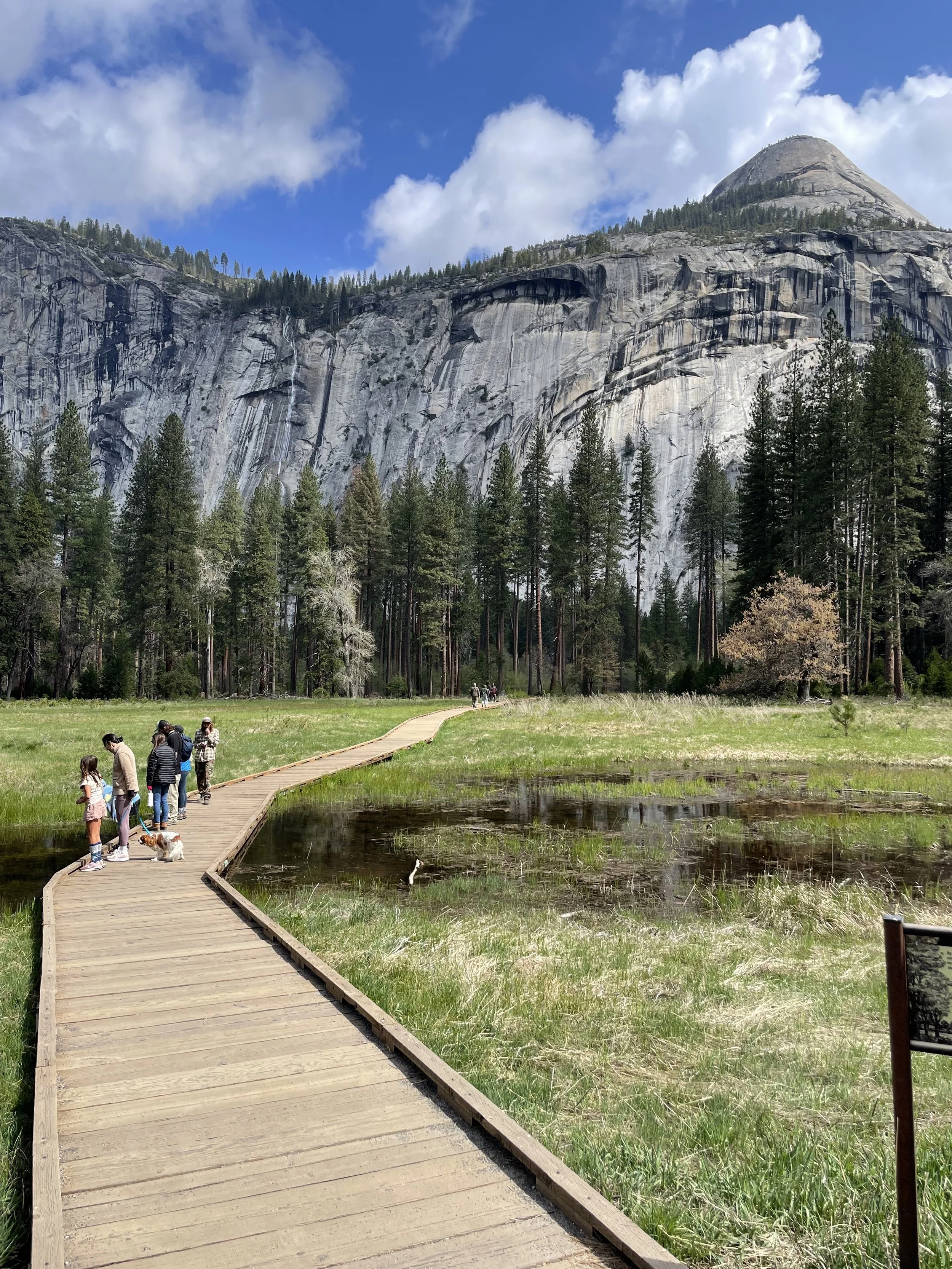
A few months ago, I found myself in Yosemite National Park with the family and no real agenda other than to reset.
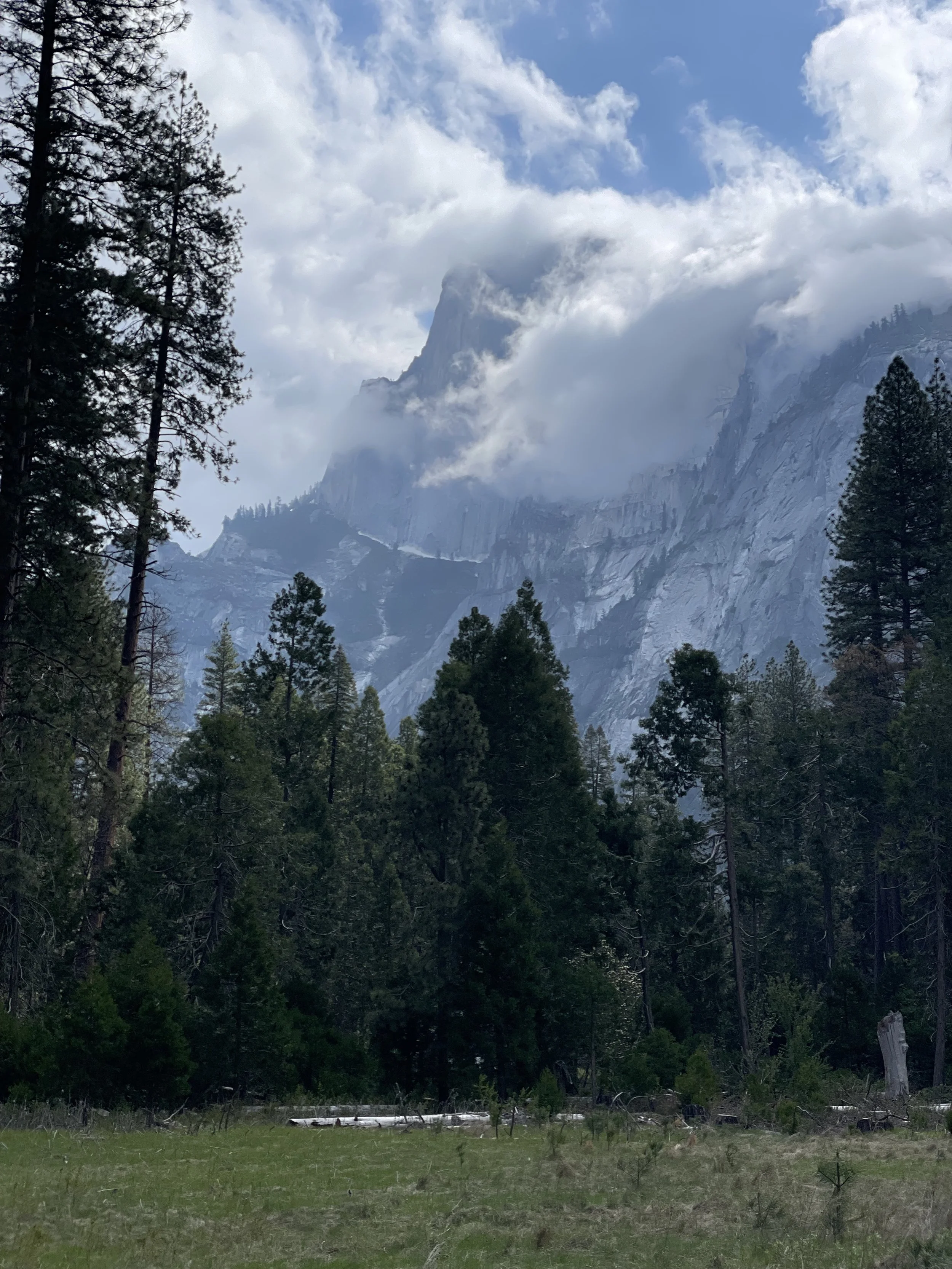
The signal dropped out about twenty minutes into the drive, which at first felt inconvenient and then quickly became the point. No notifications. No email. Just granite walls, cold air, and that quiet kind of scale that makes your problems shrink a little. I remember sitting near the river early one morning with coffee in hand, watching the light move across the valley. Nothing dramatic happened, but something shifted. The noise in my head softened.
It reminded me how rarely most men allow themselves that kind of mental space.
Over the past few years there has been a noticeable shift among men toward outdoor experiences not just for adventure, but for mental clarity, physical longevity, and personal recalibration. Hiking apps are exploding. Trail running communities are growing. Solo travel among men over 40 is rising. The outdoors is becoming less about extreme performance and more about sustainable wellbeing.
Here is why that trend matters.
1.Nature and the New Conversation Around Men’s Mental Health
Think about the last time you spent a full day outside. Not checking your phone. Not rushing between obligations. Just being outside.
There is now strong scientific backing for what many of us feel intuitively. Research highlighted by the American Psychological Association shows that exposure to natural environments lowers cortisol levels and reduces symptoms of anxiety and depression. The World Health Organization has also emphasized the role of green space in improving mental health outcomes globally.
For men, this matters even more.
Men are statistically less likely to seek traditional mental health support, yet are experiencing increasing levels of stress tied to career transitions, identity shifts, and social isolation. Instead of therapy replacing outdoor time, what we are seeing is outdoor activity becoming a gateway to emotional processing.
Platforms like AllTrails and Strava report significant growth among men aged 35 to 60. Many are not training for races. They are walking, hiking, and trail running for mental reset.
One concept I keep coming back to is forest bathing, originally developed in Japan and known as Shinrin-yoku.
Forest bathing is simple. Slow down. Walk without a performance goal. Notice sound, temperature, scent, and texture. Studies show it reduces blood pressure and improves mood regulation.
It is also very easy to practice in Yosemite. The reception helps, or lack of rather.
2. The Shift From Gym Strength to Functional Strength
Traditional gym culture is evolving. Men are still training, but the purpose is changing.
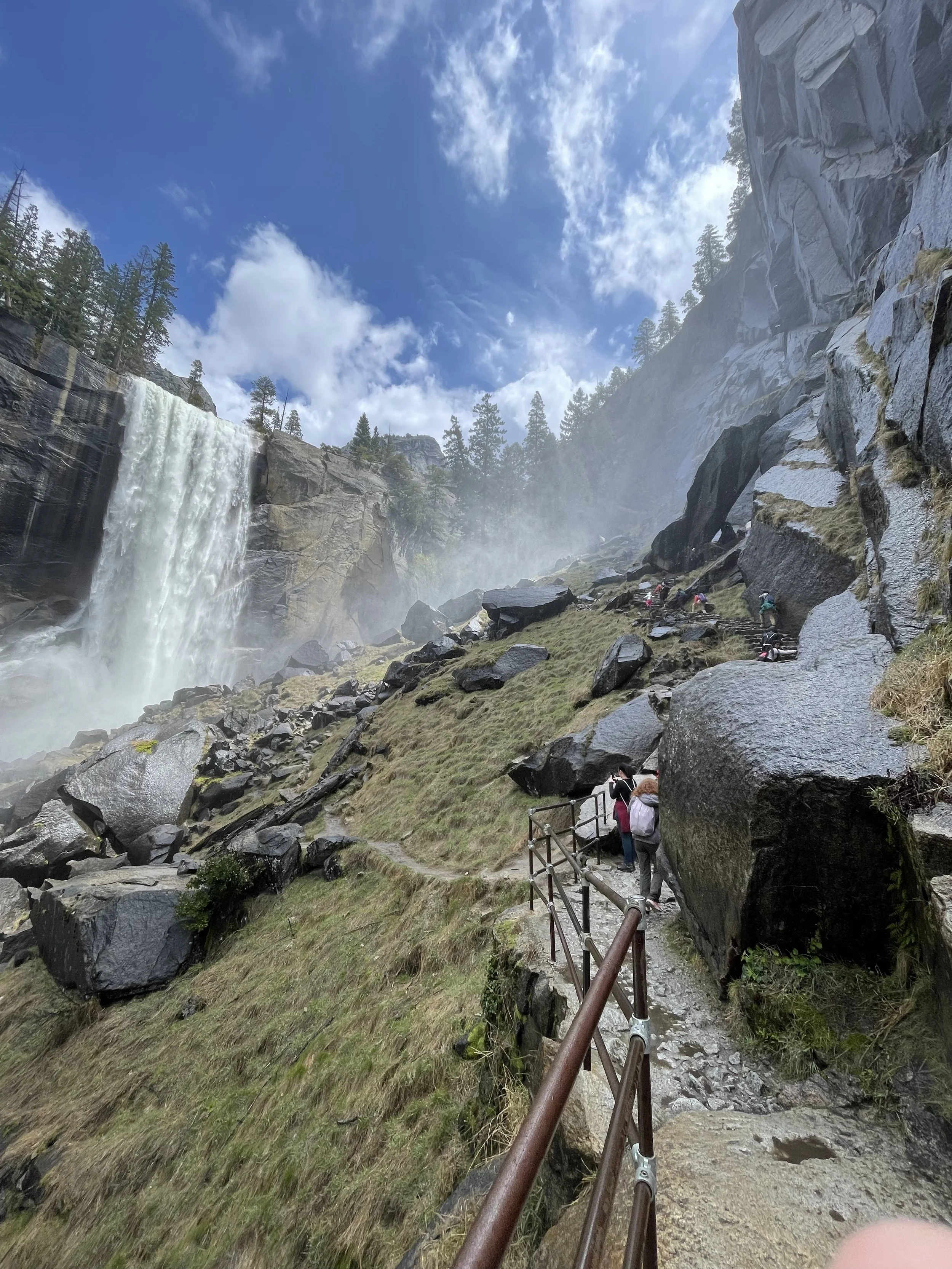
Instead of purely aesthetic goals, there is a growing focus on longevity and functional strength. Uneven terrain, elevation changes, and bodyweight movement patterns found in outdoor activity improve mobility and coordination in ways machines cannot.
According to participation research from the Outdoor Industry Association, hiking, trail running, and gravel cycling have seen steady increases among men over 40.
This aligns with broader health awareness trends. Outdoor exercise naturally increases Vitamin D exposure, supports cardiovascular health, and has been linked to improved testosterone regulation through reduced chronic stress.
One easy shift is trail running. It requires less time than longer endurance sports but delivers both conditioning and mental engagement through changing terrain.
I have been thinking about adding this one myself.
3. Reclaiming Identity Through Physical Challenge
Modern life has created a strange paradox for men. We are constantly busy but rarely physically challenged.
Outdoor environments reintroduce productive difficulty.
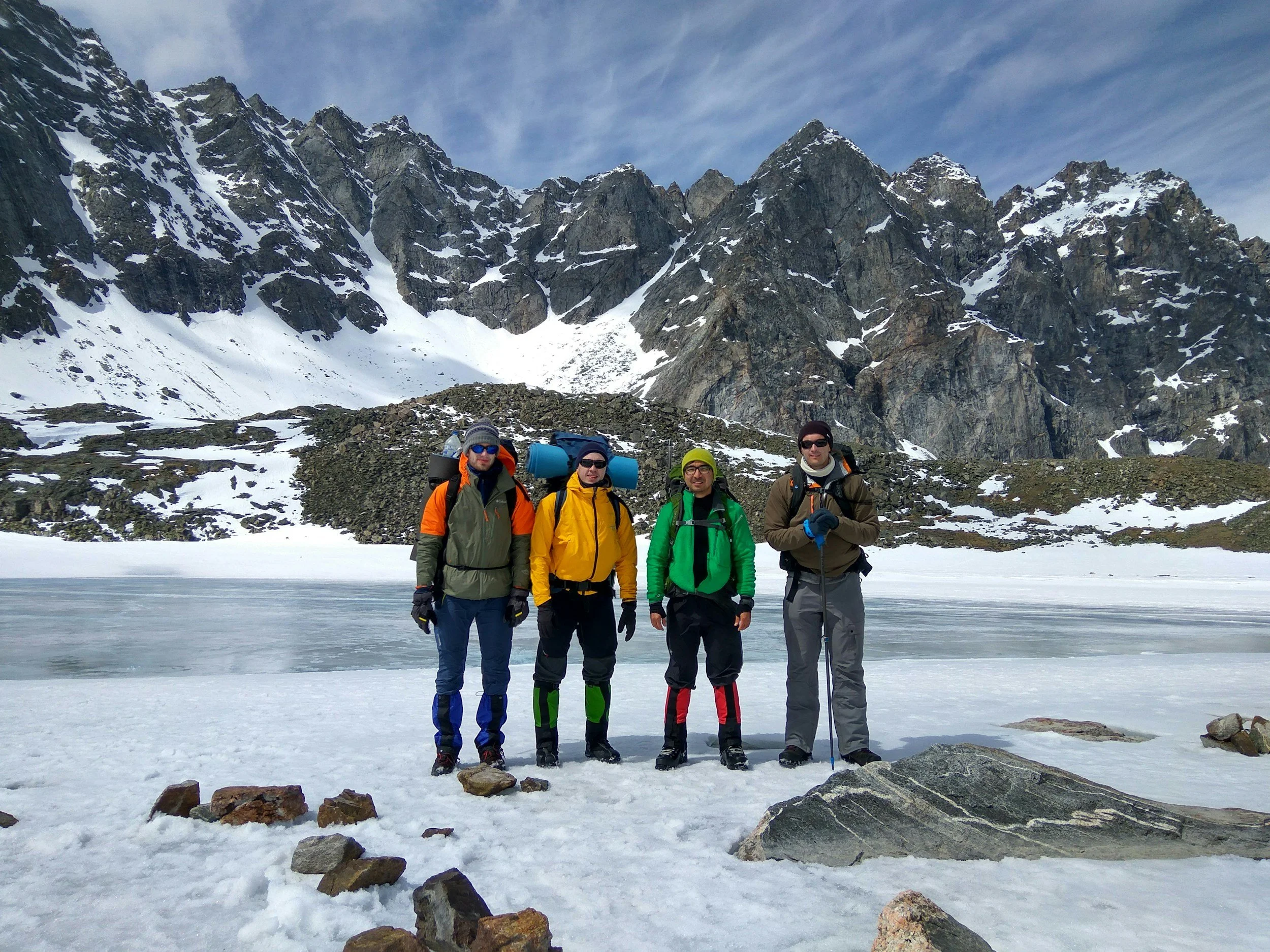
Climbing a steep trail. Navigating weather. Carrying gear. These experiences reconnect men with capability and resilience without the artificial pressure of competition.
This is part of a larger cultural movement. Many men, in midlife in particular, are actively redefining identity beyond career titles. Adventure travel, endurance events, and outdoor skill building are becoming tools for personal transition.
Sitting around a campfire sounds simple, but it creates something rare. Reflection without distraction.
Solo camping, in particular, has seen increased interest among men navigating life resets such as divorce, career change, or empty nesting. Time alone in nature often becomes a form of recalibration.
It does feel like a push, which is usually a good sign.
4. Outdoor Experiences Are Replacing Traditional Social Spaces
Men are also changing how they connect with each other.
Instead of meeting exclusively in restaurants or bars, group hikes, surf trips, and weekend outdoor retreats are becoming more common. Shared physical experiences remove conversational pressure and create natural bonding moments.
There is a reason conversations flow differently on a trail than across a table.
Without screens and constant noise, people become more present. Outdoor environments create space for real conversations without forcing them.
Planning a simple weekend trip with friends is often enough. It does not need to be extreme. The objective is shared experience.
5. Rediscovering Play in a Performance-Driven Culture
One of the most overlooked benefits of outdoor time is play.
Men often move through adulthood carrying responsibility without permission to be light again. Nature removes that barrier quickly.
Skipping stones. Jumping into cold water. Trying a new activity with no expectation of mastery.
This trend toward experiential living is showing up across lifestyle culture. Men are prioritizing moments over possessions and skill-building over passive entertainment.
Trying something new outdoors, whether paddleboarding or climbing, creates both novelty and presence. The goal is not performance. The goal is engagement.
So, go outside.
The cultural shift is clear.
Nature is becoming part of a broader conversation around modern masculinity that includes emotional awareness, health ownership, and intentional living.
That morning in Yosemite stayed with me because nothing dramatic happened. It was quiet. Simple. Grounding.
Sometimes that is exactly what we need.