
Transitions: Navigating Divorce As A Man In Mid-Life.

The Quiet Rebuild: What Divorce Taught Me About Responsibility, Faith, and Becoming a Better Man
Life rarely falls apart in neat, organized chapters. More often it happens all at once, like waves stacking on top of each other before you have time to catch your breath.
For me, that year was 2016.
Within a short window of time, I lost my father. Not long before that, I lost a job that had been a major part of how I defined myself. And then, quietly at first but inevitably, my twenty-year marriage came to an end.
When people talk about divorce, they often frame it as a single event. A moment. A decision. Papers signed. Boxes packed.
But the truth is that divorce is rarely one moment. It is usually a long erosion.
And when it finally breaks, the ripple effects touch everything.
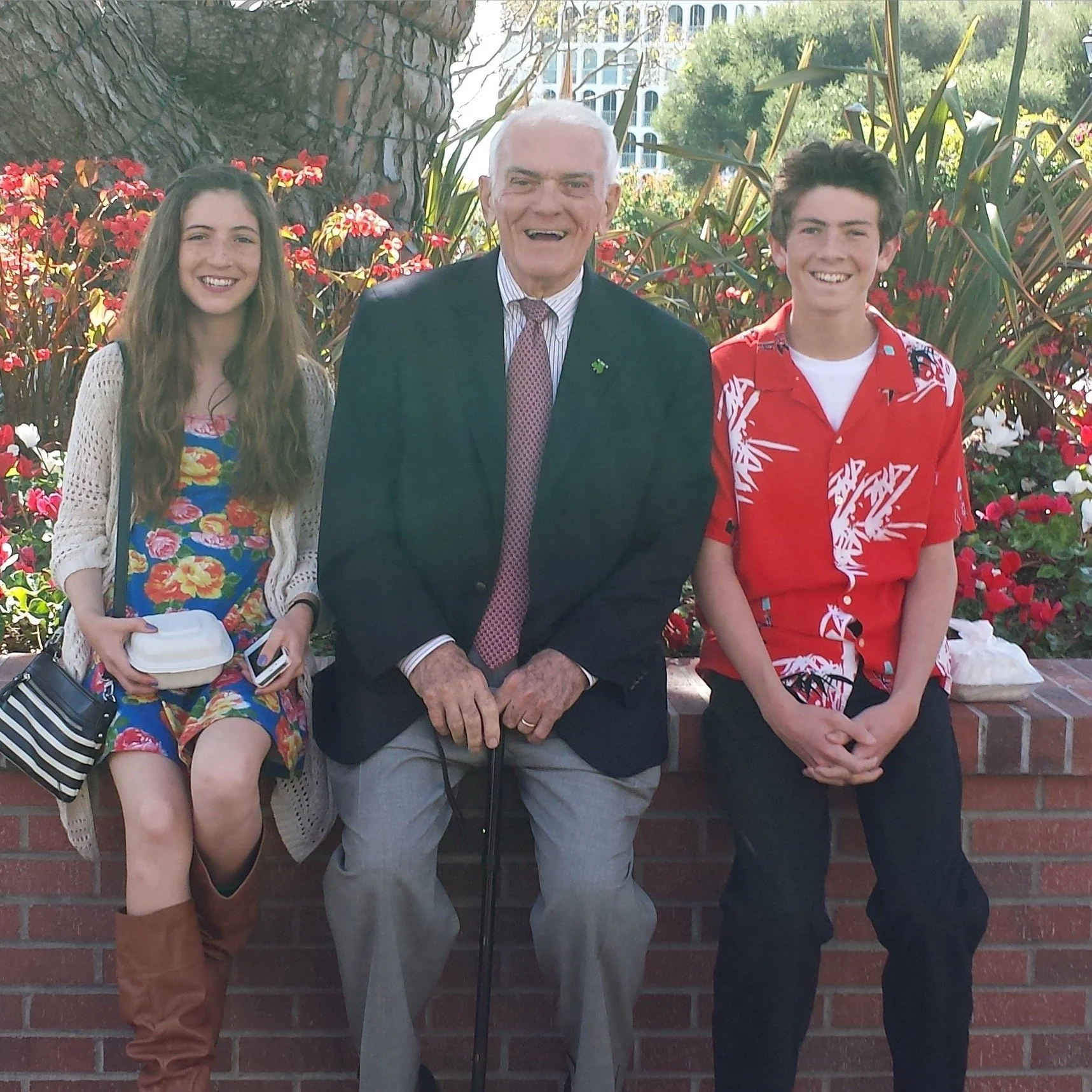
The Moment Everything Changed
At the time, my kids were teenagers in high school. Anyone who has raised teenagers knows that stage of life is already complicated enough. There are sports, school events, social pressures, and the quiet emotional turbulence that comes with growing up.
Suddenly, I was navigating all of that while trying to hold together a family structure that was shifting underneath our feet.
There is a particular weight that comes with being a father during a divorce. Your instinct is to protect your children from the pain. But they are not blind to it. They see more than we think. Looking back, I see more now and how the pain led me to be a bit selfish.
But you want to be steady for them. Present. Strong. Inside, you’re carrying grief, confusion, anger, and a thousand questions about how things got here.
Looking back now, it was one of the most disorienting seasons of my life. That year, was certainly the worst.
And Faith Was a Big Part of Our Story
On top of all that, another layer that made the experience complex was faith.
For most of our marriage, we were deeply involved in our church community. We were part of a non-denominational Christian church, something that became a meaningful part of our lives.
Interestingly, that path actually came through her family.
I grew up Catholic. My upbringing was rooted in that tradition, and I have a lot of respect for it. But it was her parents who introduced me to a different expression of faith when we were younger. They were active leaders in their church, and over time, that faith became part of our life together.
We raised our kids in a Christian environment. Sundays at church. Small groups. Service projects. The rhythms that come with being part of a faith community.
So when the marriage ended, it didn’t just feel like the loss of a relationship. It felt like the loss of a shared spiritual identity as well. Faith communities are beautiful, but they can also make personal fractures feel very public. People don’t always know what to say. Sometimes they say the wrong things. Sometimes they say nothing at all.
And in those moments, you realize how deeply intertwined your life has been with another person.
The Hurt Was Real
I won’t pretend that season wasn’t deeply painful.
After twenty years of marriage, you have built an entire life with someone. There are memories, traditions, family dynamics, and a sense of shared history that is hard to put into words.
The hurt that comes with that kind of ending runs deep. It felt a little bit hypocritical on a few levels. I felt a little forgotten, perhaps abandoned by a large portion of my community. I felt mad at God. Wondering, how could we end up here? It also stirred up a lot of anger in me. Some of it directed outward. Some of it is directed inward.
What made the situation even more complex is that our marriage had already gone through a difficult chapter years earlier. Around the ten-year mark, we had separated for a short time. During that period, I did a lot of work on myself. Therapy. Counseling. Long conversations. Honest reflection.
At the time, it felt like we had found our way back. We recommitted to the marriage and kept moving forward with our family. So when things ultimately ended years later, it forced me to confront a difficult truth.
Sometimes the work you do earlier in life is real and meaningful, but it doesn’t mean the work is finished.
The Truth That Took Me Years to See
For a long time after the divorce, it was easy to frame the story in a way that placed the responsibility mostly outside of myself.
And to be clear, relationships are complicated. There are always multiple dynamics at play. Every marriage has its own unique story, and some situations involve serious issues that require difficult and immediate decisions.
I want to be sensitive to that reality. Not every relationship can or should be saved. There are circumstances where separation may be the healthiest path forward.
But in my case, as the years passed and the emotional dust settled, I began to see my own role more clearly.
It takes two people to build a marriage.
But it also takes two people to slowly let one deteriorate.
I began to recognize how my own frustration with myself had quietly seeped into the relationship over time.
Career pressure. Personal expectations. The internal voice that tells you that you should be further along, doing more, achieving more.
When you carry that kind of frustration inside long enough, it has a way of leaking into your closest relationships.
Sometimes as impatience.
Sometimes as withdrawal.
Sometimes as anger you don’t fully understand.
Looking back now, I can see moments where my own unresolved struggles contributed to the distance between us.
That realization is humbling.
But it’s also necessary.
Marriage Requires Ongoing Work
One of the biggest lessons I’ve learned is that marriage is not sustained by a single moment of commitment.
It is sustained by thousands of small decisions over time.
Decisions to listen. To soften. To forgive. To stay curious about your partner instead of assuming you already know them.
And perhaps most importantly, the decision to keep working on yourself.
Two people have to stay in the arena together. Both have to remain committed to doing the sometimes uncomfortable, sometimes exhausting work of growth.
That work requires humility.
And humility is not always easy for men.
We like to think we can muscle through life on our own strength. But relationships don’t work that way.
They require vulnerability.
They require honesty.
They require the willingness to admit when we are wrong and when we need help.

The Quiet Rebuild
In the years since that season of life, I’ve spent a lot of time reflecting on what it means to rebuild.
Not just externally, but internally.
The rebuild after divorce is not loud. It doesn’t happen overnight. There’s no dramatic montage where everything suddenly makes sense again.
Instead, it happens quietly.
I tried to be intentional about this rebuilding. I tried to fight my selfish desires to run, disappear. I did go on a trip to Spain by myself to regroup, think, and strategize. I committed to not date for 6 months. I did a little therapy. I would even occasionally go back to church. To sit and try to be with Jesus. Forget all the other stuff that can complicate church and faith.
Over this time, you learn how to sit with your own thoughts again.
You rediscover routines.
You show up for your kids in new ways.
You reconnect with some friends, perhaps shed others.
You rebuild your relationship with faith, sometimes questioning parts of it and sometimes rediscovering deeper meaning within it.
And slowly, almost without noticing at first, you begin to see yourself more clearly. Gradually.
Not the version of you that existed inside a marriage.
But the man you are now. Hopefully, the man you are still to become.
Why I Share This
At MAAN, we talk a lot about the journey of becoming a modern gentleman.
That journey isn’t about perfection. It’s not about presenting a polished version of life.
It’s about honesty.
Many men go through divorce quietly. They carry the weight of it privately, believing they should just “move on” and not talk about it.
But growth rarely happens in silence.
It happens through reflection. Through conversation. Through the willingness to look at our past with both compassion and accountability.
Divorce is undeniably an ending.
But it can also be an invitation.
An invitation to become more self-aware.
More patient.
More humble.
And ultimately, a better man than you were before.
The rebuild is rarely fast.
But if you are willing to do the work, it is always possible.