
Building A Wardrobe That Works
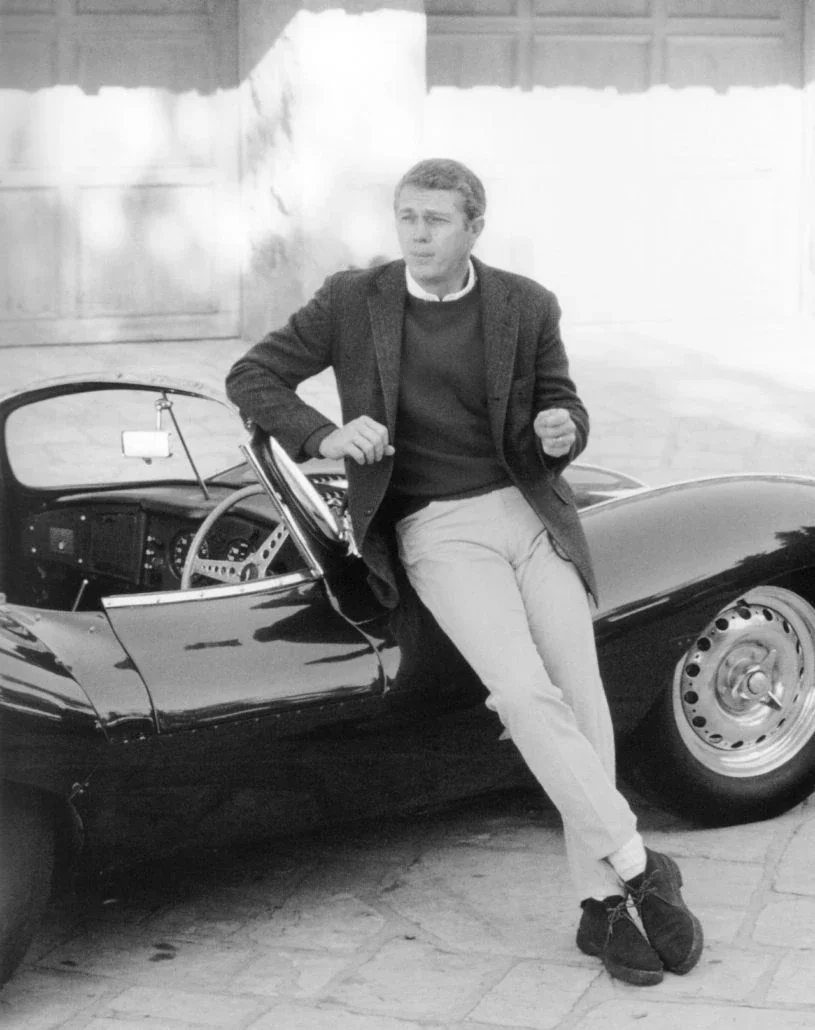
The Modern Man's Guide to Building a Wardrobe That Actually Works.
Stop buying clothes. Start building a system.
Four key principles to a style system.
Most men don't have a style problem. They have a clarity problem. The closet is full, the drawers are overflowing, and yet somehow, every morning feels like a negotiation. Nothing goes together. Nothing fits quite right. Half of what you own you haven't touched in a year. The issue isn't that you need more clothes. The issue is that you've been buying pieces without a framework. Style, at its foundation, isn't about fashion or trends. It's about intention. It's about building a wardrobe that works as a system, where everything earns its place, where getting dressed takes three minutes instead of thirty, and where you consistently look put-together without thinking hard about it. This guide is for men who want that. Not a capsule wardrobe aesthetic board. A real, functional approach to owning fewer things that do more.
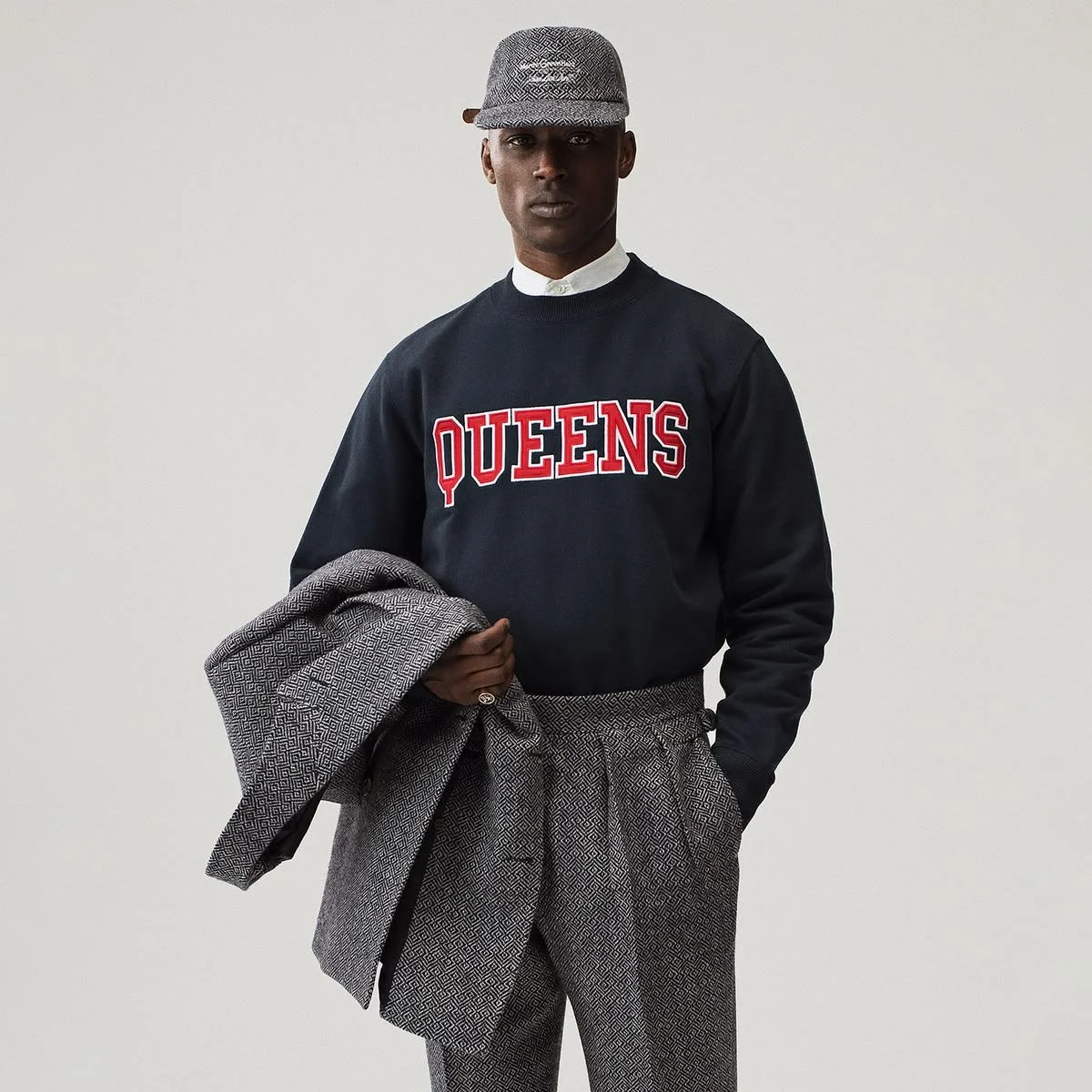
PRINCIPLE 1 - THE FOUNDATION: FIT OVER EVERYTHING:
Before color, before fabric, before brand, fit is the variable that determines whether a garment looks expensive or cheap, intentional or accidental. A well-fitting $60 shirt will always outperform a poorly fitting $300 one. This is not a cliche. It is the single most actionable truth in menswear. Most men are wearing clothes that are too big. This is partly habit, we buy for comfort, and partly because most off-the-rack sizing is calibrated for a wider range of bodies than it fits well. The fix is not complicated: find a good tailor and spend $20 to $40 getting the key pieces you already own adjusted. Shirt sleeves, trouser breaks, jacket waist suppression. These small alterations close the gap between looking fine and looking sharp. Going forward, try before you buy whenever possible. If buying online, return aggressively until the outfit is right. Nothing else in this guide matters as much as this step.
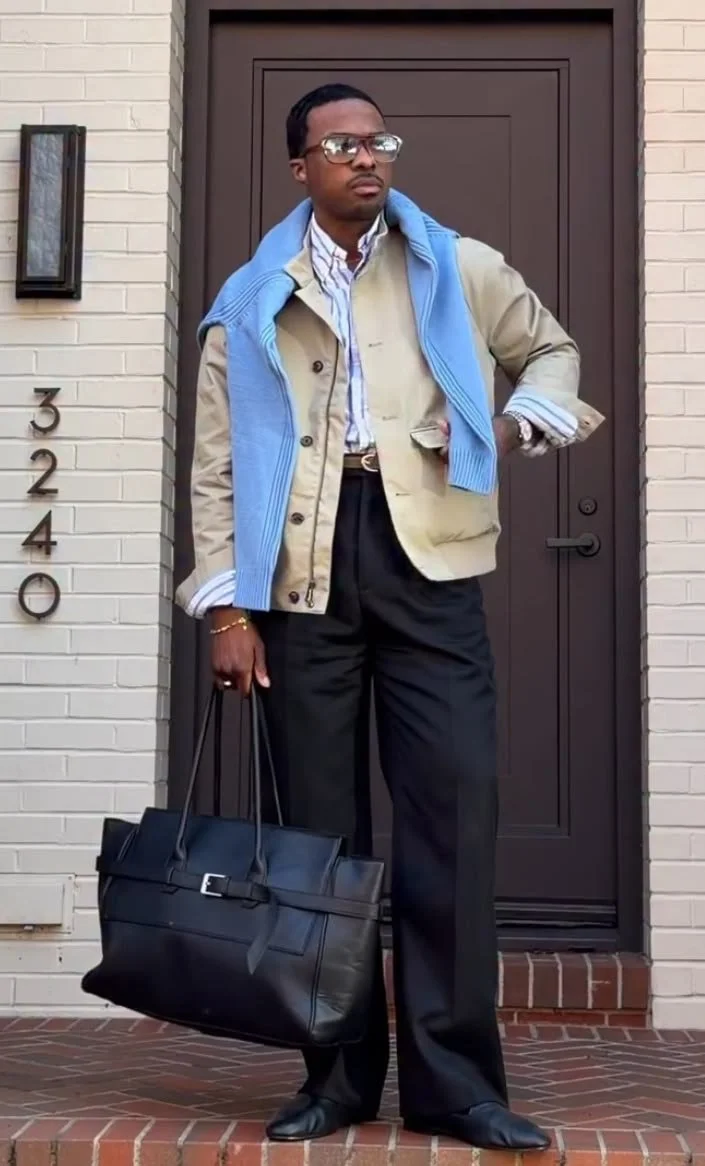
PRINCIPLE 2 - THE CORE PIECES WORTH INVESTING IN:
A functional wardrobe is not built around trends. It’s built around a small number of high-utility, high-quality pieces that work across contexts and age well. The items worth spending real money on are those you wear most frequently, and that form the backbone of the majority of your outfits. In practice, that means: a white Oxford cloth button-down shirt, dark indigo selvedge or well-constructed denim in a straight or slim straight cut, a versatile chino in stone, khaki, or olive, a quality leather or leather-look sneaker in white or off-white, a structured wool or wool-blend coat in camel, charcoal, or navy, and a plain-front trouser that works for both elevated casual and smart-casual occasions. These are not the only things you need. But if these pieces fit well and are made to a decent standard, they are the engine of a wardrobe that gets you dressed confidently in almost any non-formal situation.
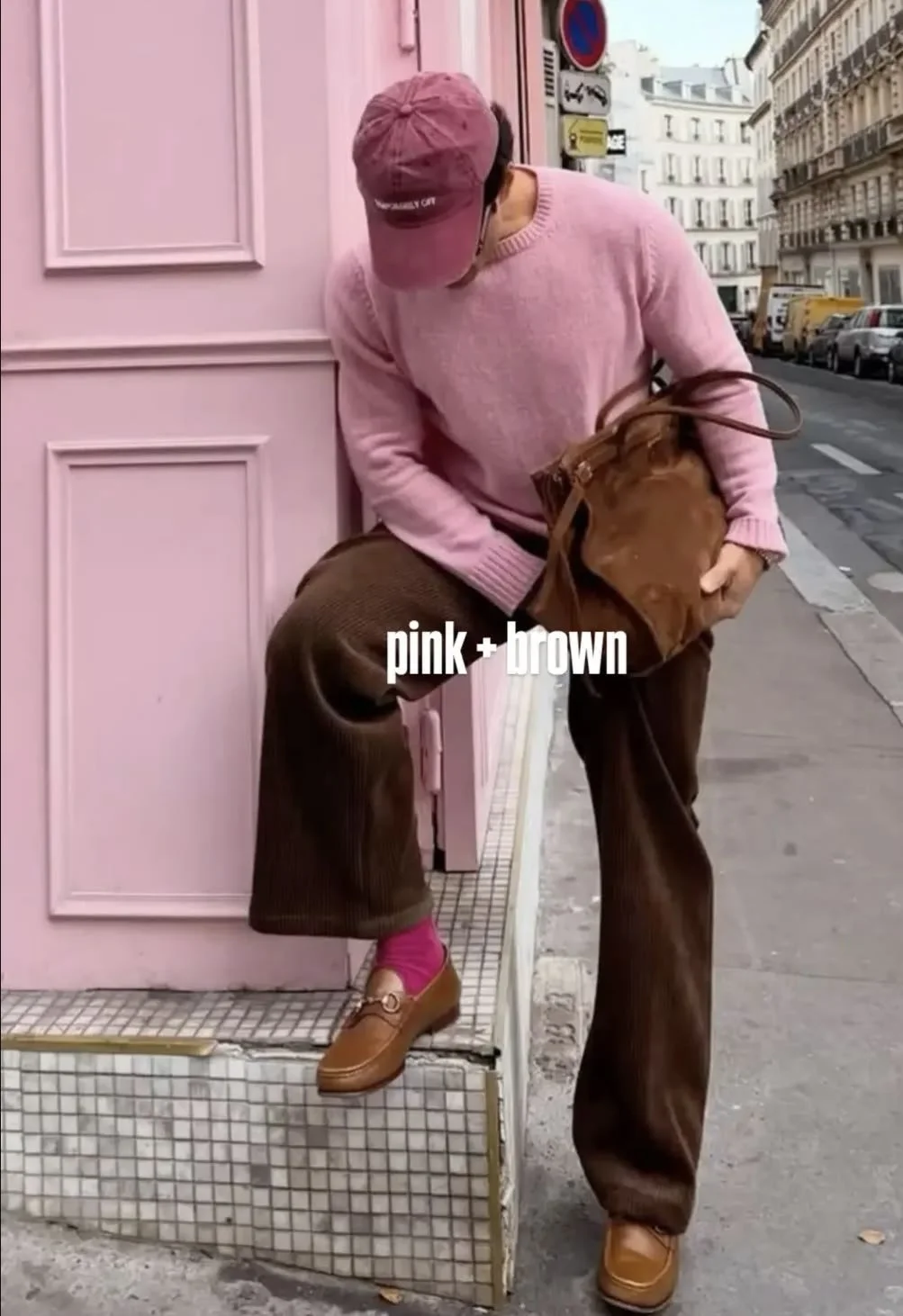
PRINCIPLE 3 - COLOR, CONTRAST, AND THE 70/20/10 RULE:
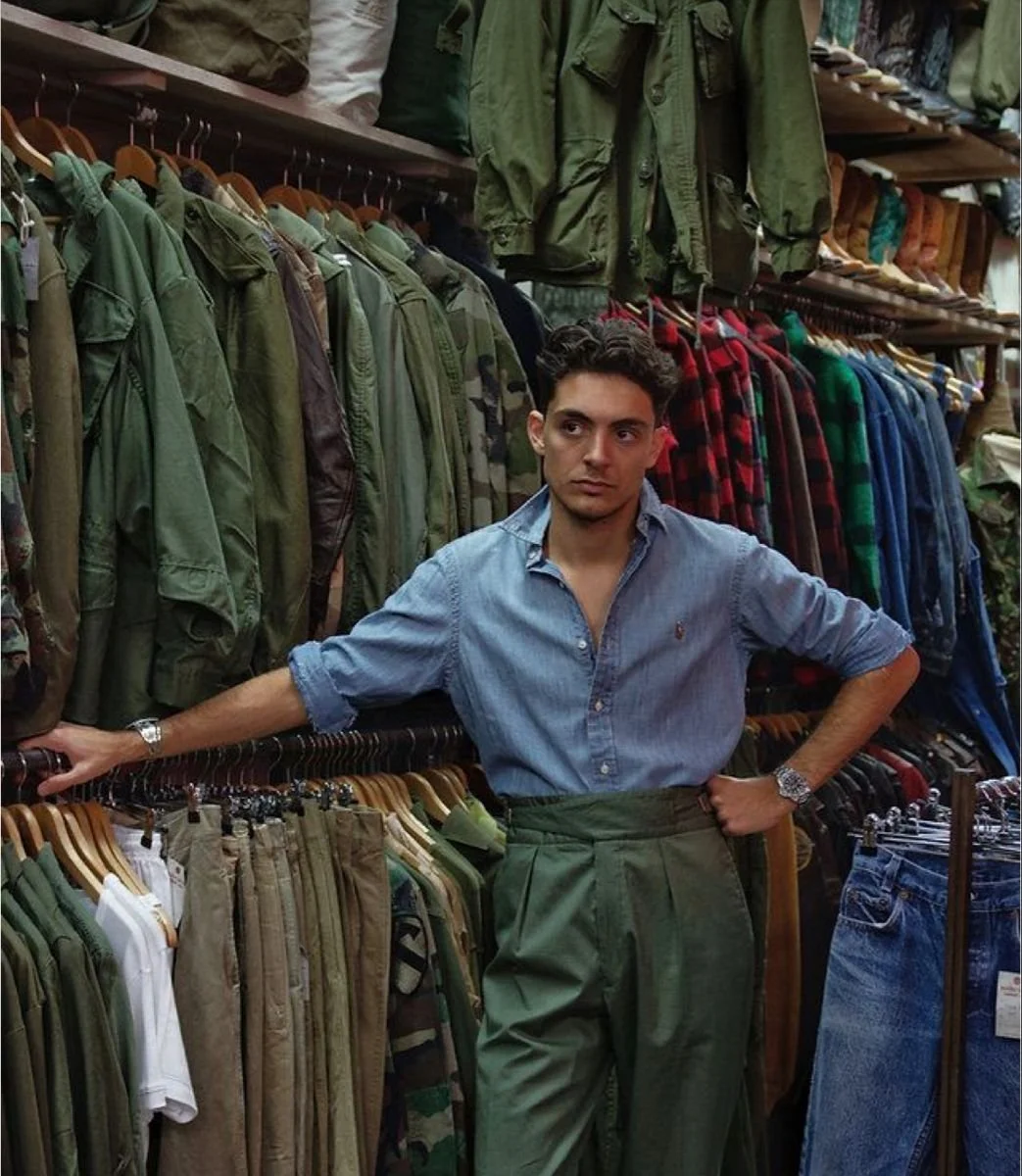
One of the fastest ways to make your wardrobe feel more cohesive is to apply a simple color ratio: 70 percent of what you own should be neutral (white, black, grey, navy, camel, olive), 20 percent should be what you might call accent neutrals (burgundy, forest green, rust, slate blue), and 10 percent can be actual color or pattern. Most men get this ratio backwards. They buy the interesting pieces first and then struggle to build outfits around them. Flip the approach. Build the neutral base, then layer in personality. Within that framework, contrast is your main tool for creating visual interest. Light top, dark bottom. Dark top, light bottom. A pop of texture, a knit, a waxed fabric, a structured collar, against something flat. These principles do not require fashion knowledge. They require only a moment of intention before you buy.
PRINCIPLE 4 - THE AUDIT: HOW TO CLEAR WHAT IS HOLDING YOUR WARDROBE BACK:
At least once a year, your wardrobe needs an honest audit. The process is simple: take everything out and hold each piece against three questions. Does it fit well right now, not when I lose the weight or fix the hem? Does it reflect how I want to show up? Have I worn it in the last twelve months? Anything that fails two of those three questions goes. Not to the back of the closet, out. Donate, sell, or discard. The goal is a wardrobe where everything you see is something you would actually wear. When that is true, getting dressed stops being a source of low-grade daily friction and becomes something closer to effortless. The reduction is the upgrade.
Building a wardrobe that works is not about spending more. It is about buying with intention, prioritizing fit over everything, and slowly curating a collection of pieces that earn their place. The men who look consistently well-dressed are rarely the ones with the most clothes. They are the ones who know exactly what they have, how it fits, and how it works together. Start there.
Get the Gentleman’s Guide from MAAN and @thewestcoastgentleman. Get started with a framework that covers Fit, Identity, Foundation, Color, Quality, Details, and Getting Dressed in a painless, easy approach.
TAGS: men's wardrobe essentials, how to build a capsule wardrobe for men, men's style basics, best clothes for men 2026, minimalist wardrobe for men