What I have learned about how my home speaks before I speak. Your personal environment communicates who you are before you open your mouth.
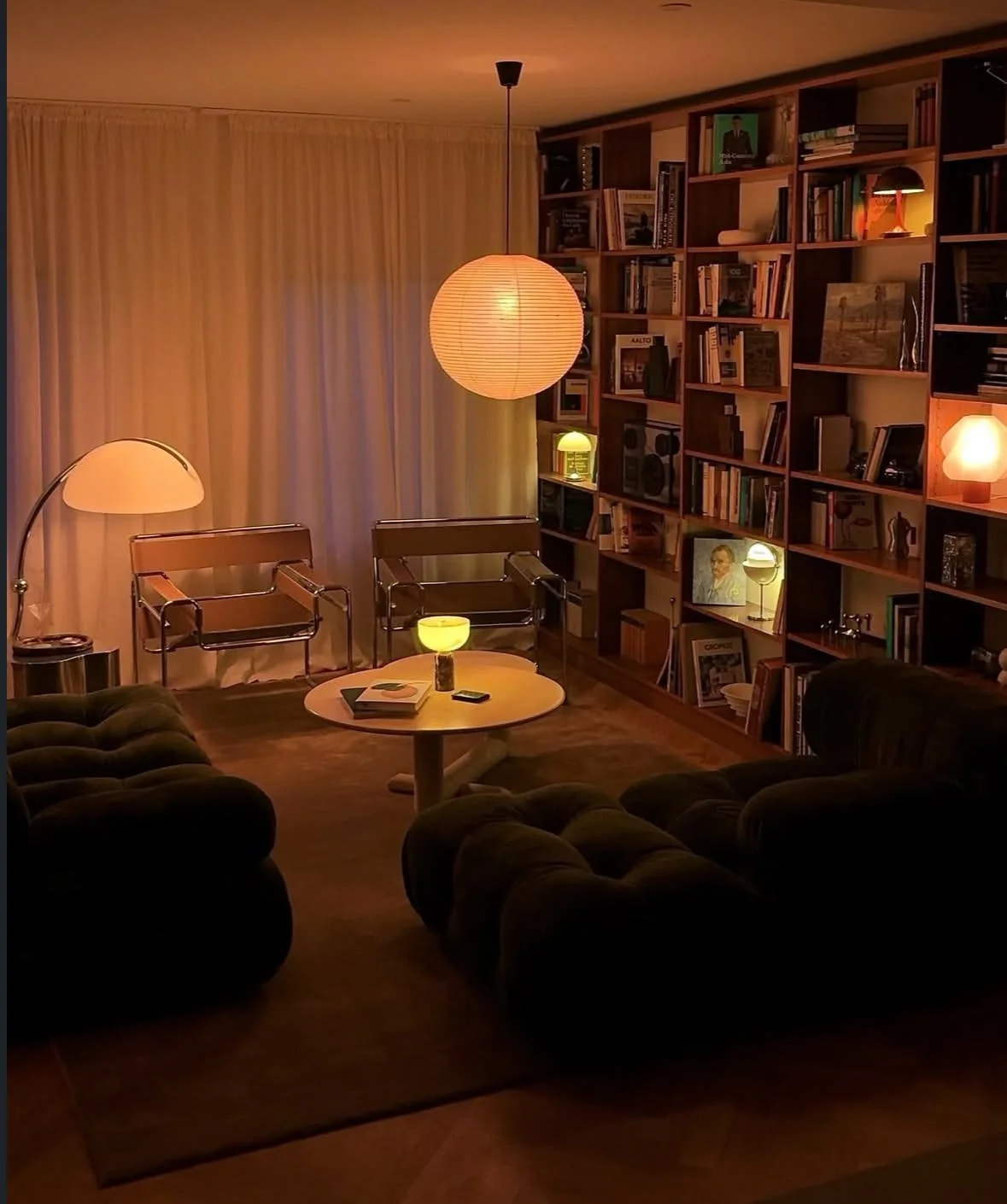
The Room Tells the Story First
A man's personal environment is one of the most honest signals he sends. Before a word is spoken, before a handshake, before any version of himself has been performed, the space around him has already done the talking. This is true of an office, a car, a home, a desk, a nightstand. The environment does not lie the way a first impression can.
If you want to understand something about a man, look at where he lives and works. Not to judge it. To read it.
There is a difference between a space that has been set up to impress and a space that has been built to function. Most people can feel the difference in about thirty seconds. The first kind is dressed. The second kind is lived in, and that distinction says everything.
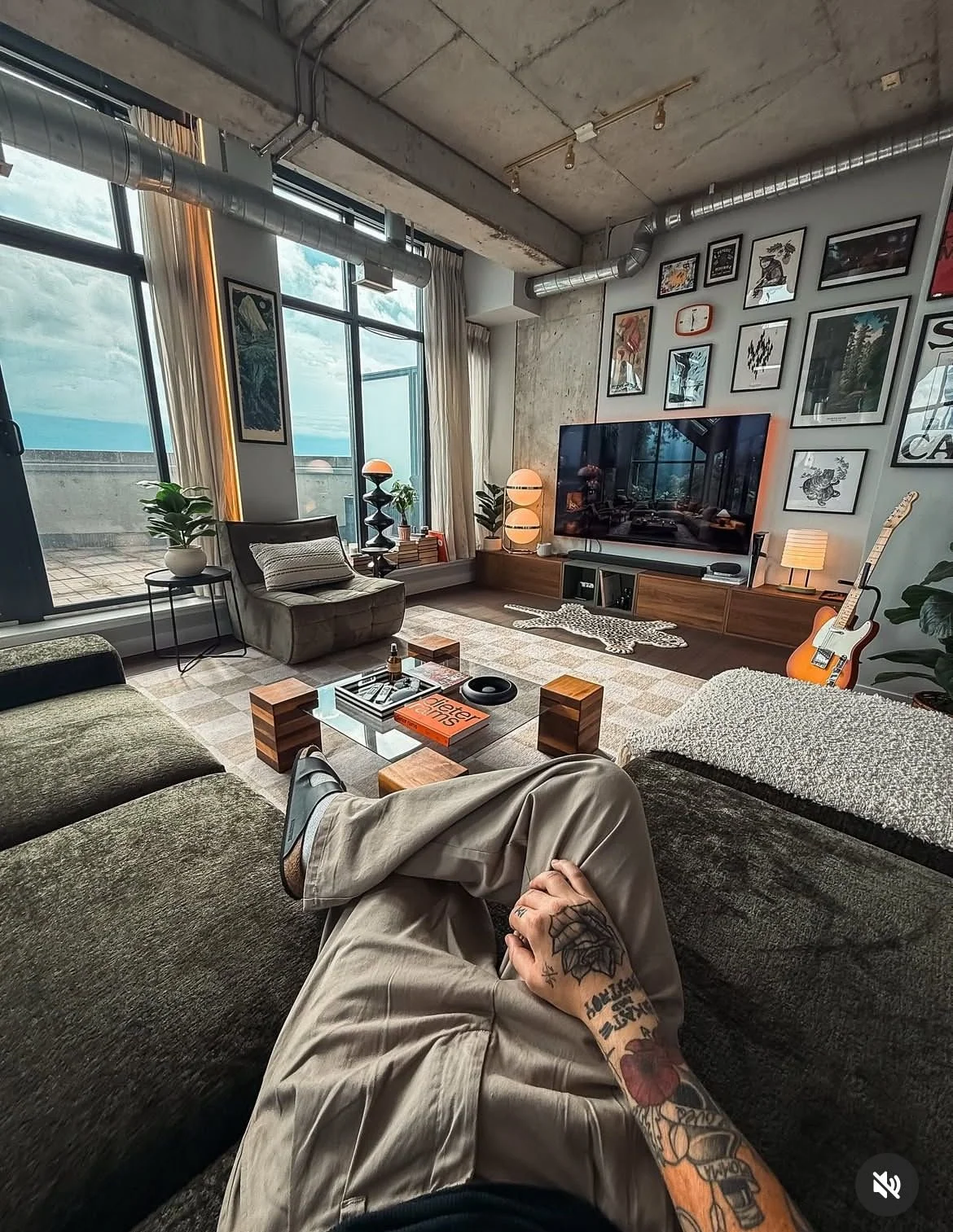
What Intentional Spaces Actually Signal
In 2011, researchers at the University of Texas published findings from a study that gave participants sixty seconds inside a stranger's bedroom. Accuracy on personality traits, openness, conscientiousness, emotional stability, was surprisingly high. The participants were not looking at framed accomplishments. They were reading object placement, tidiness, the presence or absence of books, the state of a bed.
None of that is surprising if you think about it honestly. A man's environment is the accumulated result of his decisions, and decisions compound.
The books on a shelf are choices. The age of the furniture is a choice. Whether the art on the wall was bought quickly to fill a void or acquired slowly because it meant something, that reads differently, even to people who cannot articulate why.
I have been in the homes of men who earn considerably more than their rooms suggest. And I have been in rooms that feel expensive in a way that has nothing to do with money. The second category tends to belong to men who have been paying attention for a long time.
The Difference Between Expensive and Intentional
Expensive is easy to read. It announces itself. Intentional is quieter and takes longer to accumulate.
A considered space usually has one or two things in it that do not match the general aesthetic but belong anyway. A worn leather chair in an otherwise clean-lined room. A piece of art that is not decorative but personal. These things signal that the person making decisions about the space has a point of view that predates the space itself. That is a different signal than a room that was sourced from one retailer in a single afternoon.
The Objects You Keep and the Ones You Discard
What a man holds onto is as telling as what he acquires.
I know men in their forties who still have the same watch they bought at twenty-six, still have the same print they framed in their first apartment, still have the same cast iron pan their father used. These objects are not replacements for personality. They are evidence of one.
And I know men who have replaced everything every few years, chasing a version of themselves that keeps moving. The spaces of those men tend to feel temporary even when they are not. Something in the arrangement communicates that no decision was final.
This is not a moral observation. It is just something worth noticing. The objects a man keeps tend to be the ones that survived a version of himself he outgrew. They carry information that newer objects cannot.
Maintenance as Character Signal
A well-maintained object is different from a new object. This distinction matters more than most men give it credit for.
A pair of shoes that have been resoled twice and polished consistently communicate something different from a new pair of the same shoe. A car that is 10 years old and mechanically sound and clean communicates differently from one that is 2 years old and neglected.
The maintenance signal is quiet. But it lands. It says: this man pays attention to the things he has decided matter. That is a specific kind of character.
Robert M. Pirsig wrote about this in 1974 in "Zen and the Art of Motorcycle Maintenance", not as a book about motorcycles, but as a study in what it means to care about the quality of the thing in front of you. The argument was essentially that how a man treats the objects in his life reflects how he engages with everything else. That idea has held up.
The Desk as a Case Study
If I had to pick one environment that reads the most clearly, it would be a man's desk or primary work surface.
Not whether it is clean. Organized chaos is real and some of the most productive people I know work at surfaces that would alarm a minimalist. The question is whether there is a system. Whether the space reflects a mind that knows where things are and why they are there.
A desk covered in objects that have no relationship to the work being done in front of it usually signals scattered attention. A desk with one or two objects chosen specifically because they belong there signals focus. Neither is an absolute. But both are readable.
I visited the studio of a furniture maker in Ojai, California, several years ago. His workbench was not clean in the conventional sense. It was covered in tools and wood dust and half-finished hardware. But every tool had a place, and every place had a reason. The space communicated mastery without any words being involved. I knew what kind of man he was before he told me anything about himself.
The Hospitality Signal
There is one more thing a personal environment communicates that is easy to overlook: what it says about how a man thinks about other people.
A space that has been considered for guests is different from a space that has not been considered at all and different from a space that has been staged for guests. The first kind usually has a chair placed where a visitor would naturally sit, a light source that works for conversation, and something to drink that was not pulled from the back of a cabinet as an afterthought.
This is an old idea. In Japan, the arrangement of a tea room is a form of communication before a single cup has been poured. The positioning of a scroll, the choice of a flower, the direction of the tatami. All of it is addressed to the guest before the guest arrives. The host has already been in relationship with the visitor through the arrangement of the space.
Most Western men have never thought about it that way. But the underlying principle is the same. A space that has been considered with another person in mind communicates generosity. A space that has been considered only for its own sake communicates something else.
I am not sure that signal is ever entirely wrong.
What Stays With You
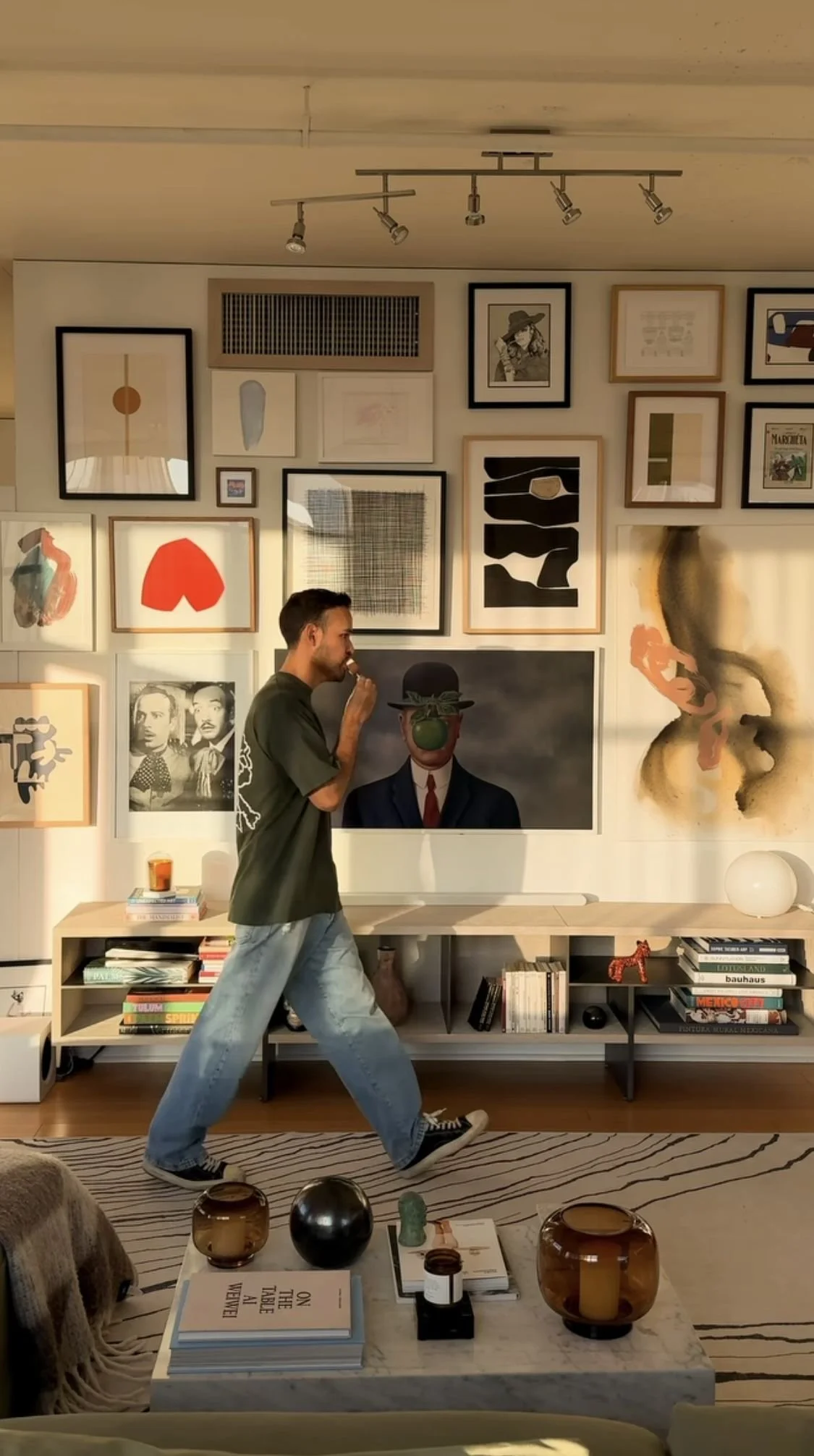
The accumulation of small decisions over years, what to keep, what to maintain, how to arrange, what to set aside for a guest, those decisions add up to something that a room communicates without any help from the man standing in it.
The question worth sitting with is not whether your space looks good. It is whether it looks like you. And whether the version of you it reflects is one you recognize.
CONSIDER JOINING OUR COMMUNITY